
When it comes to violin making, no name resonates more powerfully than Antonio Stradivari. Born in Cremona in 1644, Stradivari dedicated his life to perfecting the craft, leaving a legacy that remains unmatched even after 300 years.
A revolutionary vision
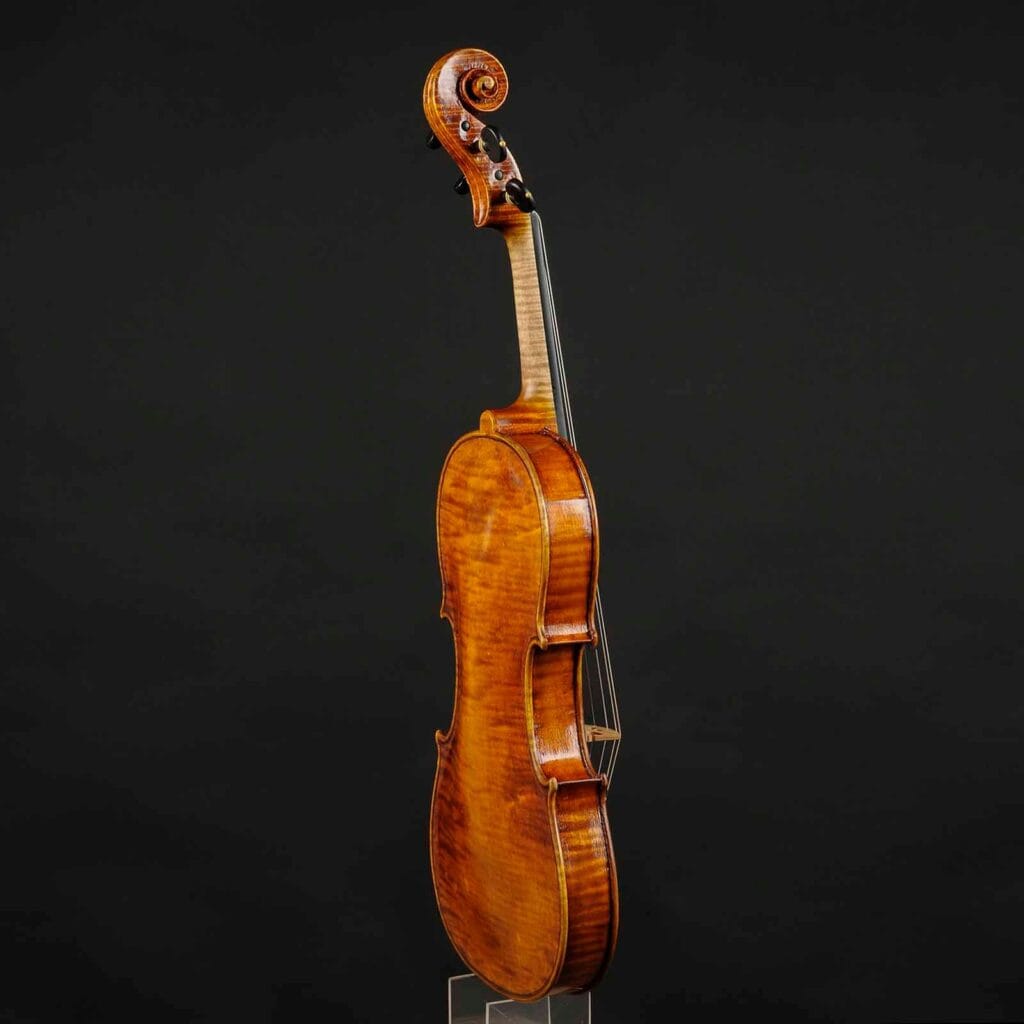
Before Stradivari, violin design followed traditional patterns established by makers like Amati. Stradivari, however, introduced innovations that transformed the instrument’s sound and projection. He modified the violin’s outline, making the bouts broader and the waist narrower, which improved playability and resonance. He also meticulously adjusted the thickness of the wood plates to enhance sound quality and volume, achieving a richer, more powerful tone.
Another element of Stradivari’s genius was his varnish. Its recipe remains a mystery to this day, but it contributed not only to the violin’s beautiful golden-red finish but also to its unique acoustic properties, adding depth and warmth to the sound.
The Stradivari legacy
Stradivari built around 1,100 string instruments, of which about 650 survive today. These include violins, violas, cellos, and a few guitars. Instruments like the “Messiah” (1716) and the “Lady Blunt” (1721) are renowned for their pristine condition and extraordinary sound. Professional violinists, collectors, and luthiers continue to study his creations, hoping to unravel the secrets behind their unmatched tonal qualities.
Why visit Cremona today
Cremona, Stradivari’s hometown, remains the world capital of violin making. Visitors can explore the Museo del Violino, which displays his original instruments, molds, and tools. Walking through the historic streets where Stradivari lived and worked reveals the atmosphere that inspired his genius. Today, Cremona is alive with skilled luthiers who continue his tradition, handcrafting violins using techniques passed down through generations and maintaining the excellence that Stradivari established.
If you want to truly experience Stradivari’s world, consider joining our Antonio Stradivari Tour in Cremona. This exclusive experience takes you inside the Museo del Violino and local workshops to see how his legacy continues to inspire violin makers today.